Brief
Design an analog toy that stimulates creativity, social interaction, and children’s learning, acting as a counterpoint to the excessive use of digital devices.
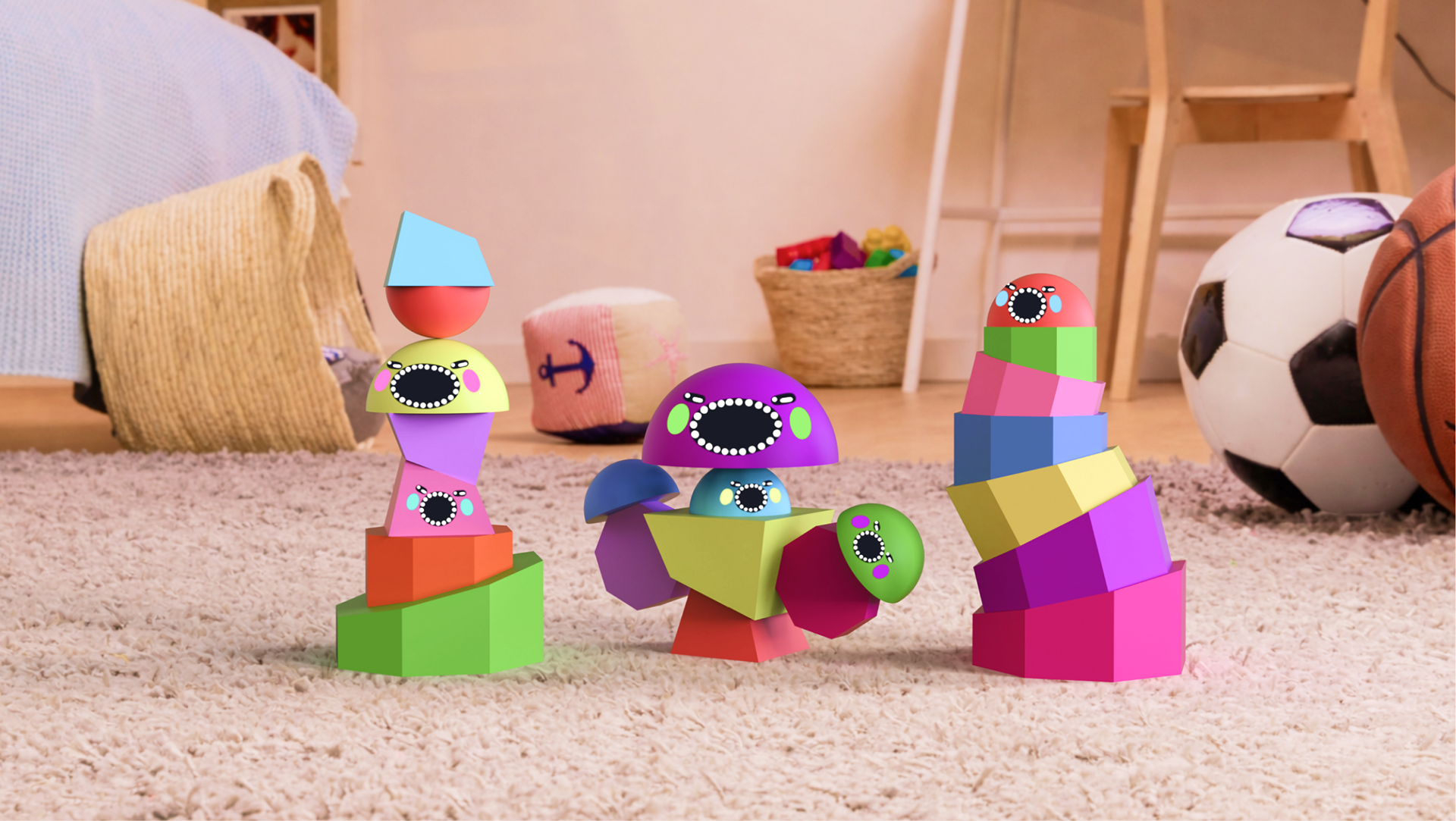
User research
A survey with over 250 responses revealed that families seek fun, educational, affordable toys with lasting engagement, and point to opportunities for more sustainable, inclusive, and innovative play experiences.
Field Observations
We visited a kindergarten and a toy store, where
essential insights for the project emerged:
essential insights for the project emerged:
- Open ended materials extend playtime and stimulate creativity
- There is a lack of toys focused on art, especially Brazilian art
- Construction toys strongly engage children
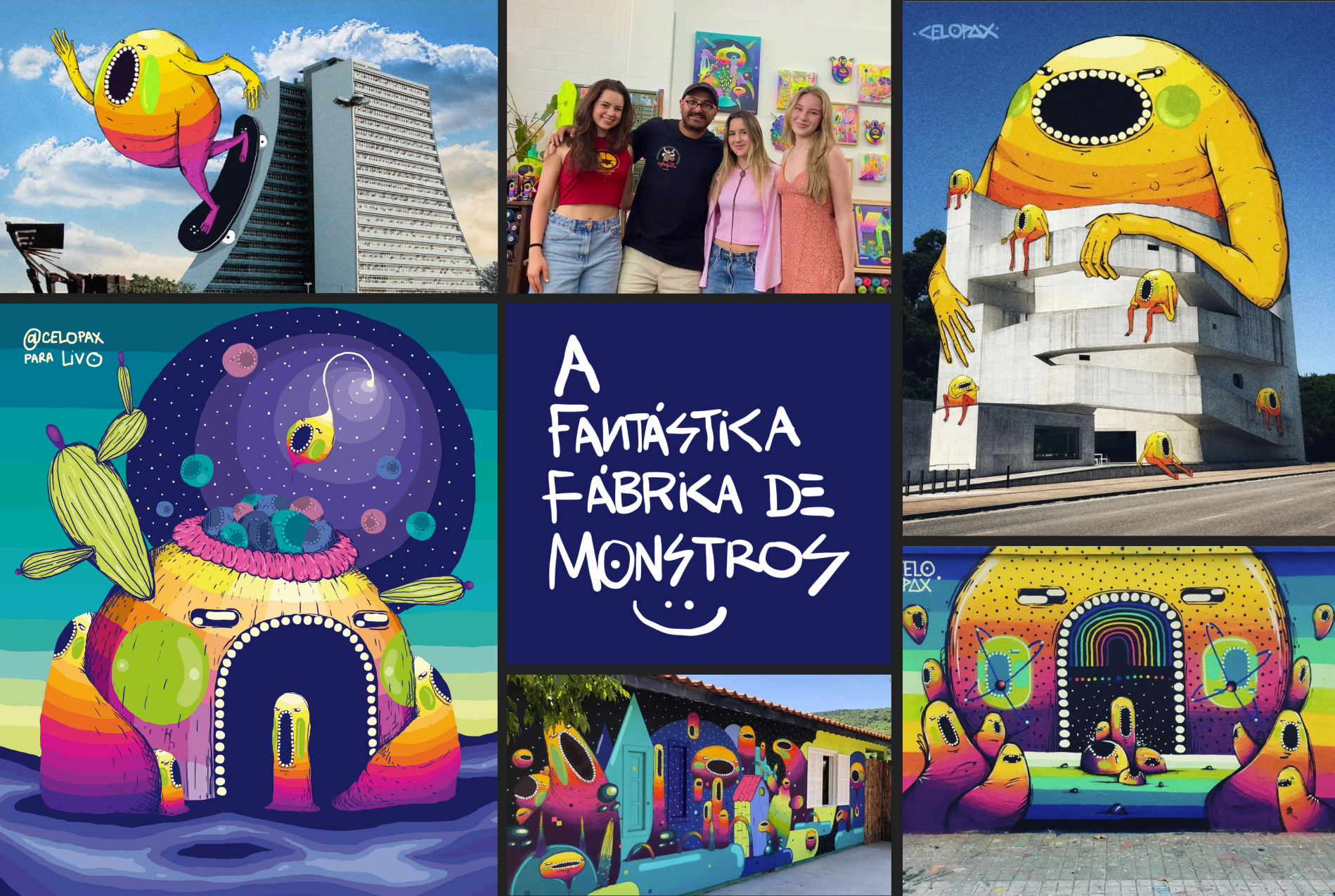
Introducing local art through play
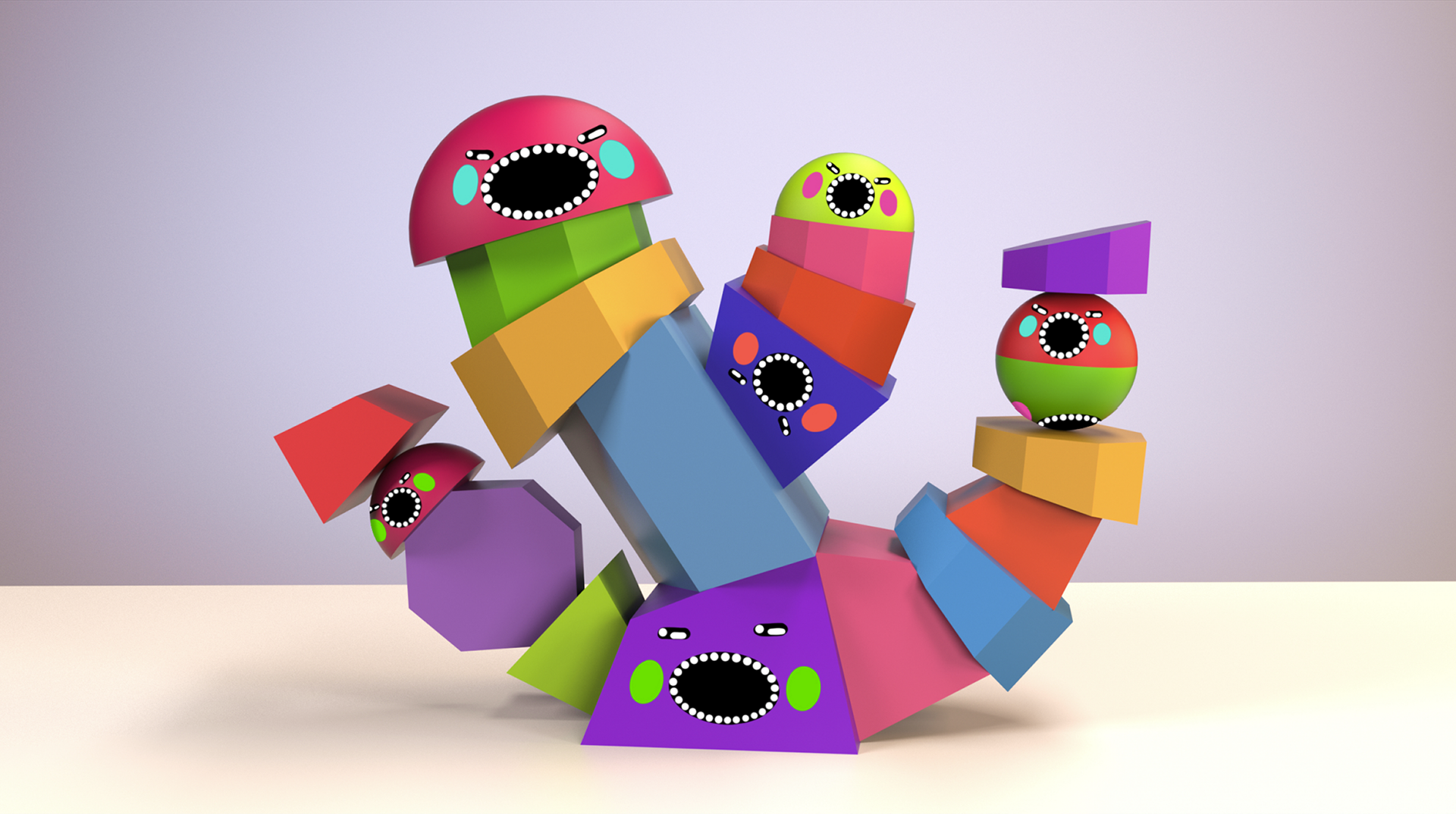
The project introduces children to Brazilian art from an early age by drawing inspiration from street artist Celopax from Porto Alegre, whose bold colors, playful forms, and expressive monster characters can be found across Brazil and around the world. His visual language shapes the toy’s identity, connecting children to their city and cultural environment.
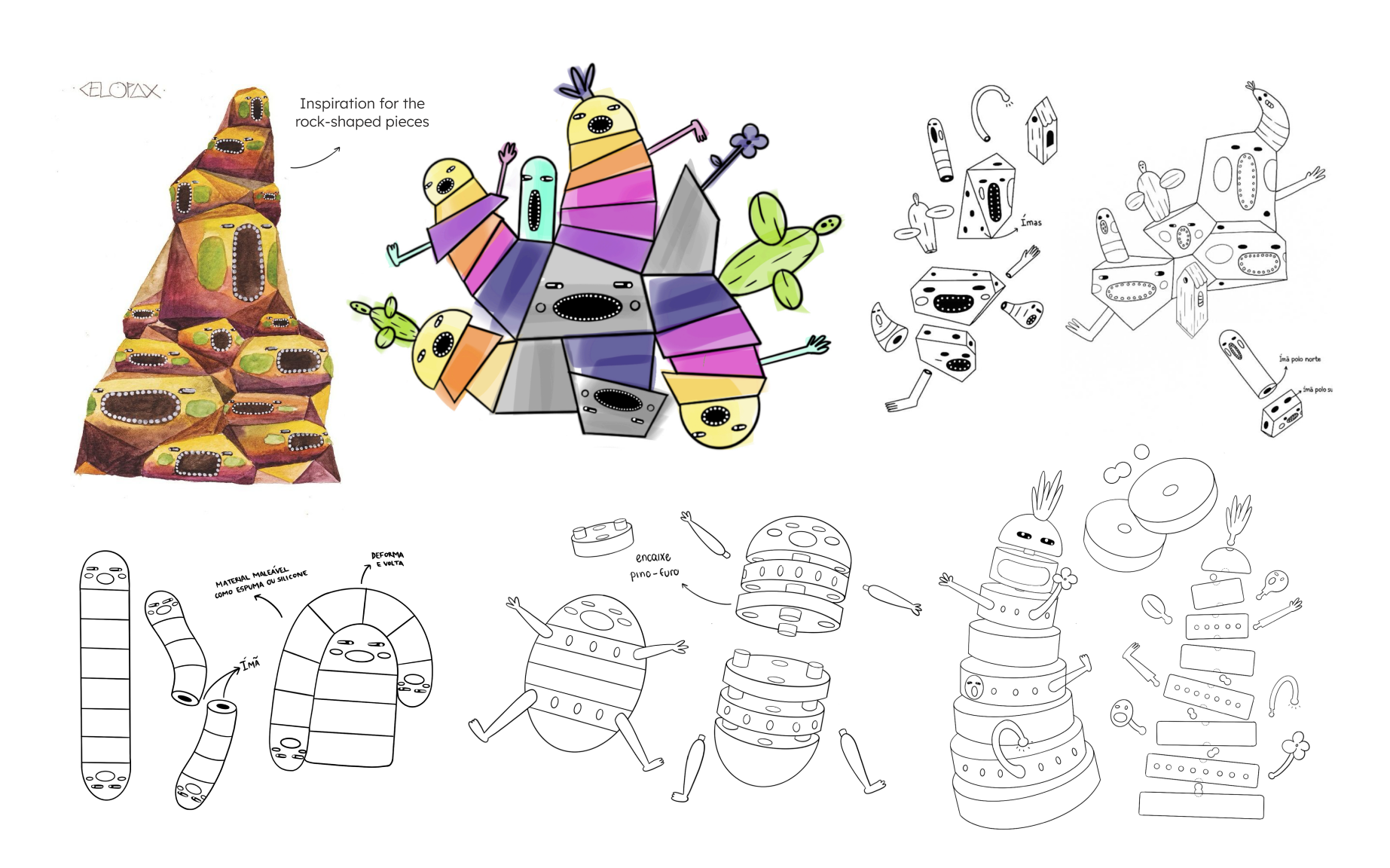
Early ideation
Quick sketches explored shapes, characters, and modular connections.
From concept to volume
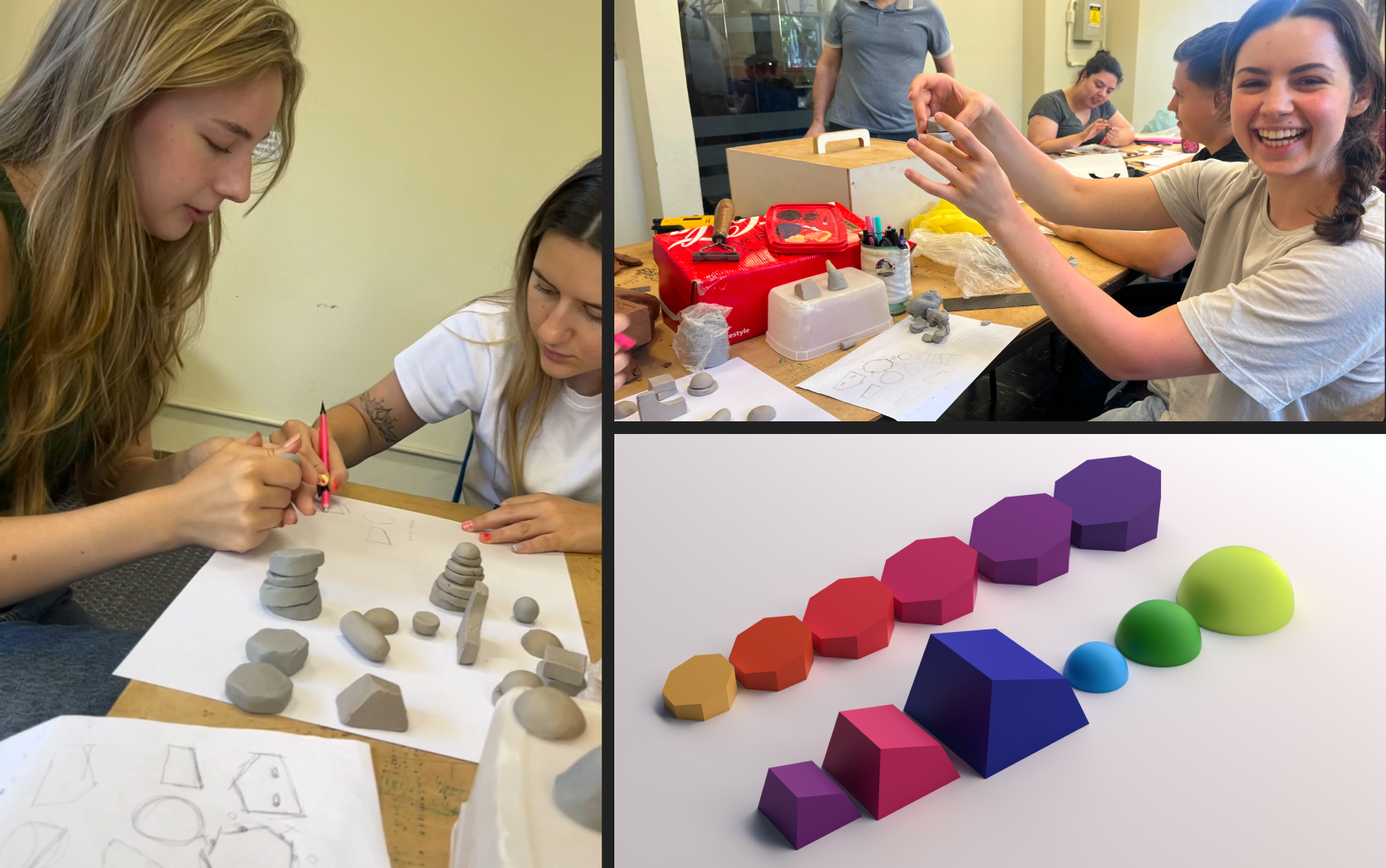
We used clay modeling to explore size and shape, then translated the forms into 3D for prototyping, rendering, and refinement.
Exploring movement
Movement was explored through angular forms and multiple magnetic connections, avoiding flexible materials that are usually environmentally harmful. Instead, the toy is designed to be 3D printed using PLA, a biodegradable filament derived from renewable sources such as sugarcane.

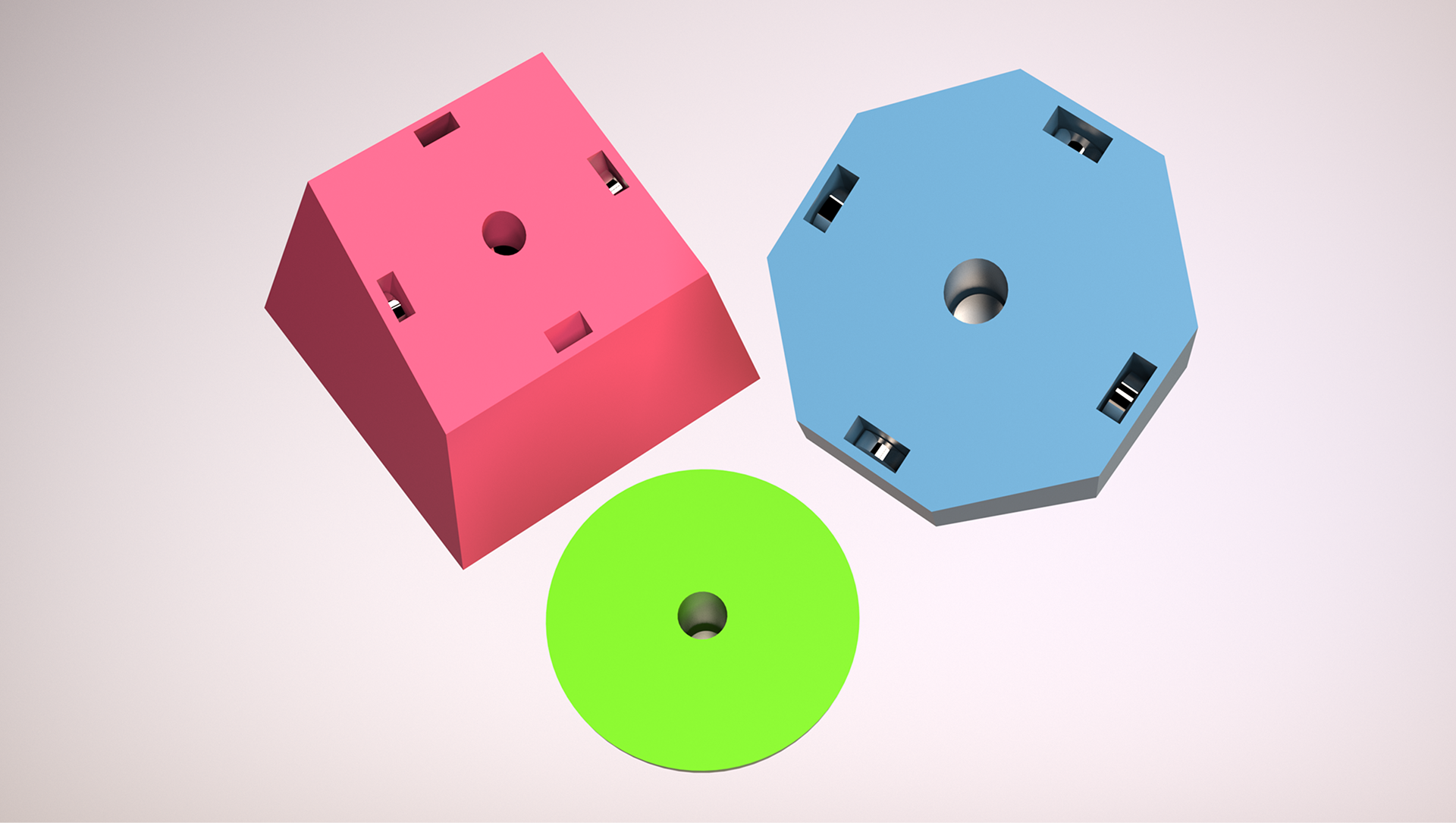
Modular magnetic system
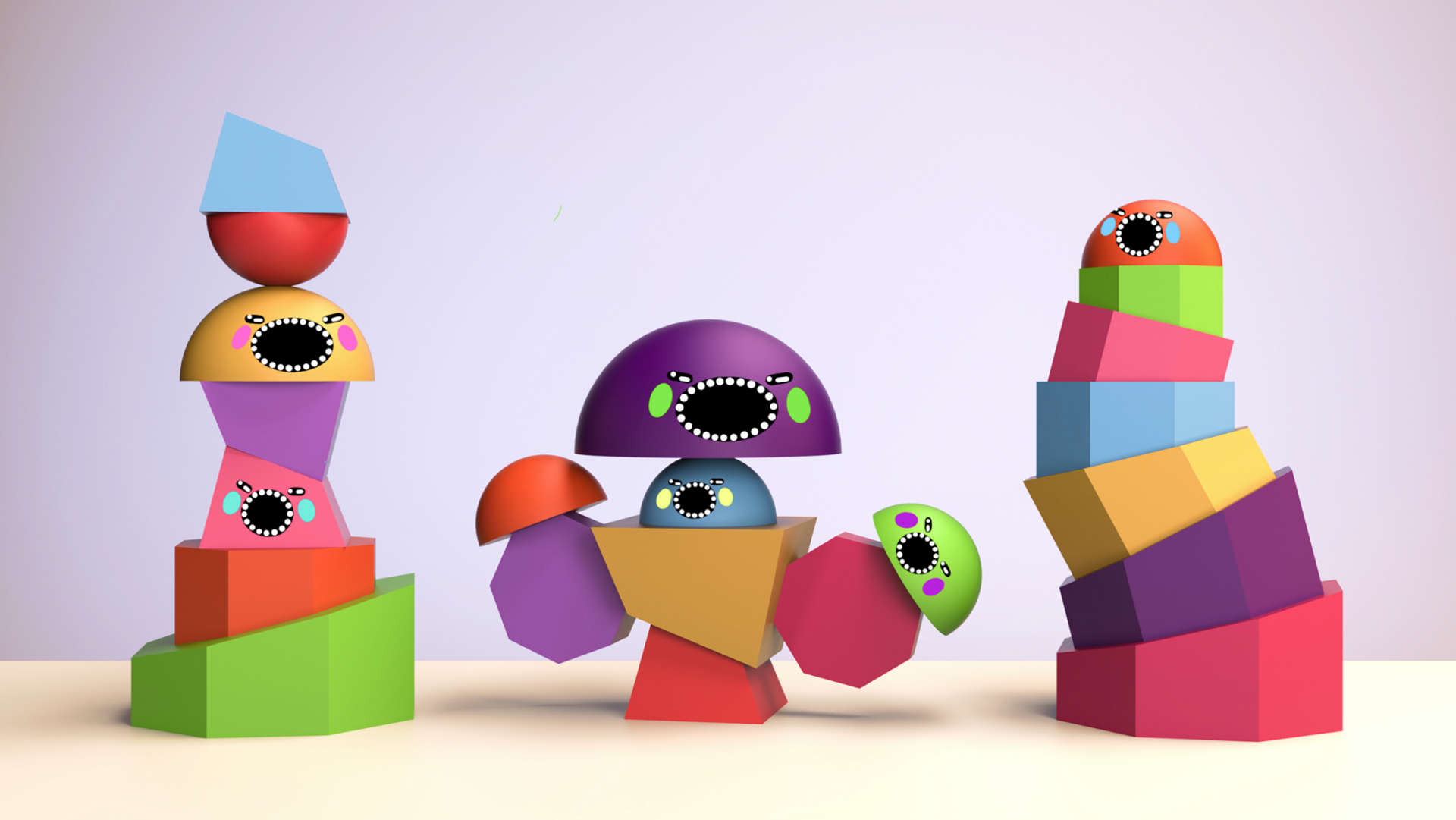
Hidden magnets were embedded inside internal cavities and sealed with caps, enabling endless modular combinations.
Prototyping
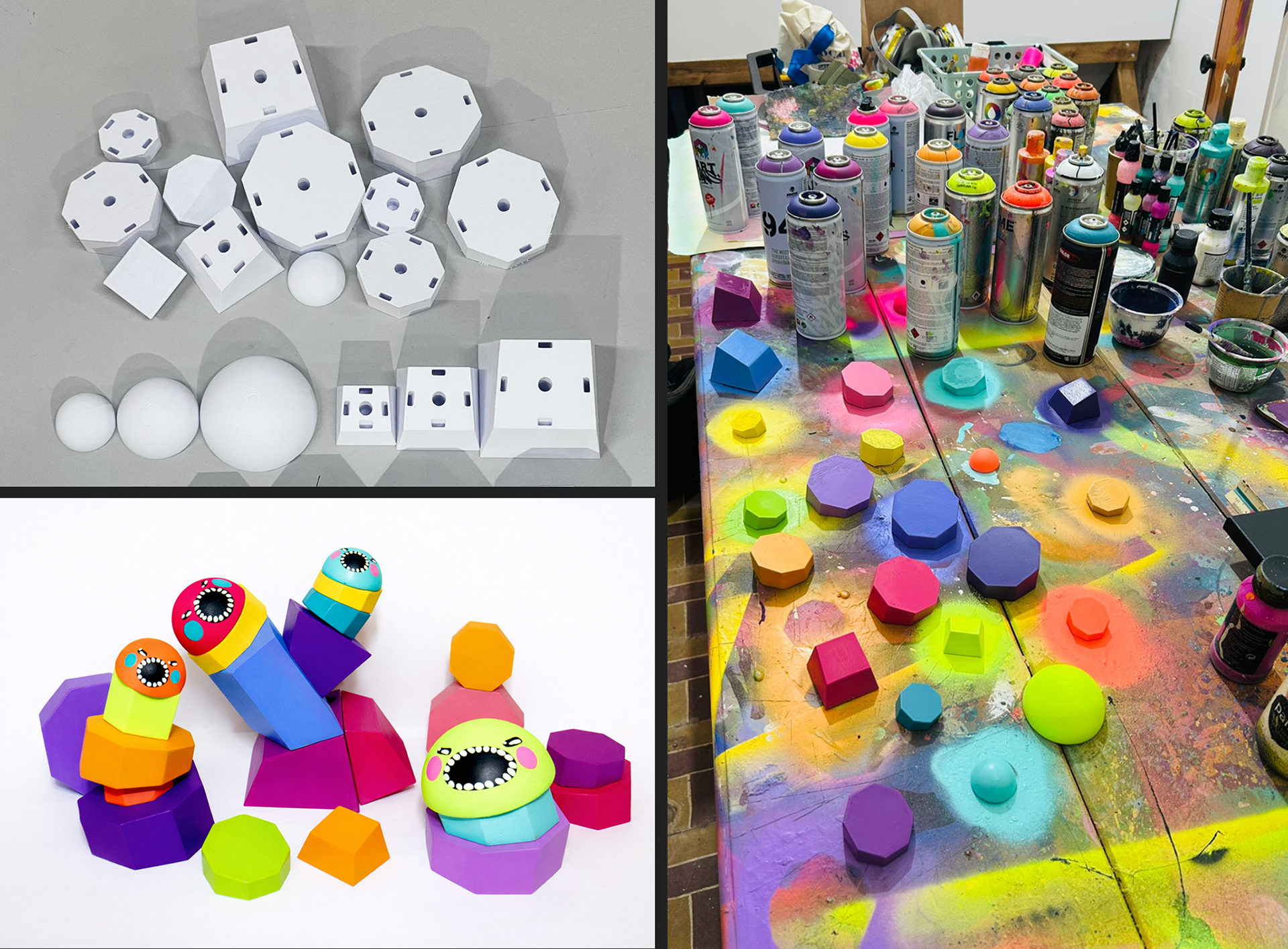
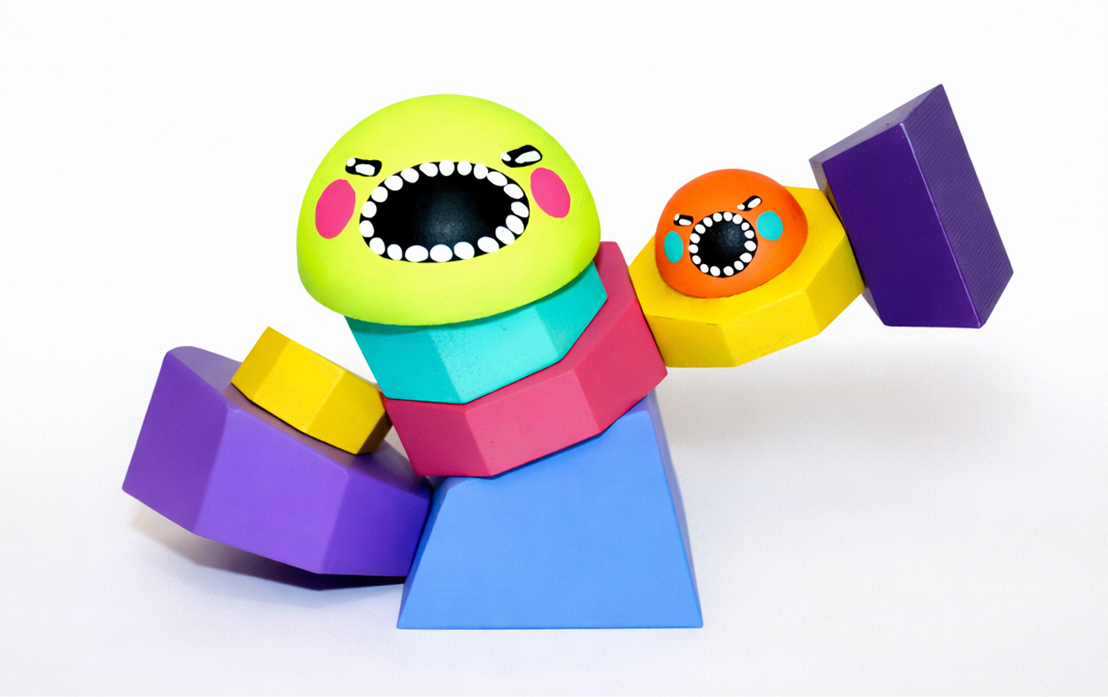
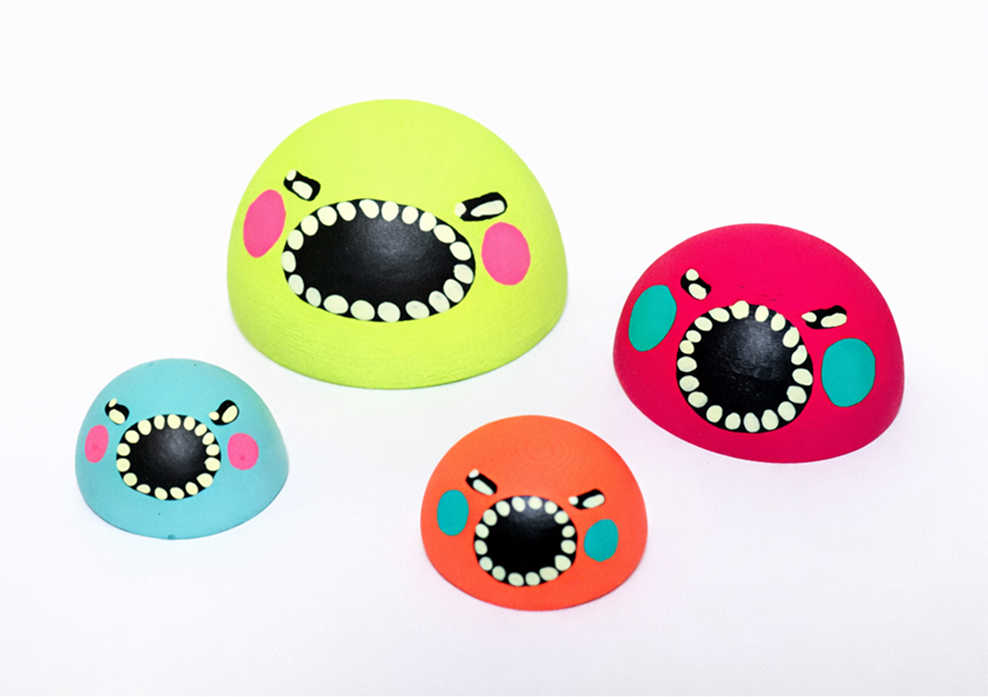
The pieces were 3D printed, assembled with the magnets inside and closed with their lids, then spray painted and hand finished by Celopax, bringing his visual language directly into the toy.
Final outcome
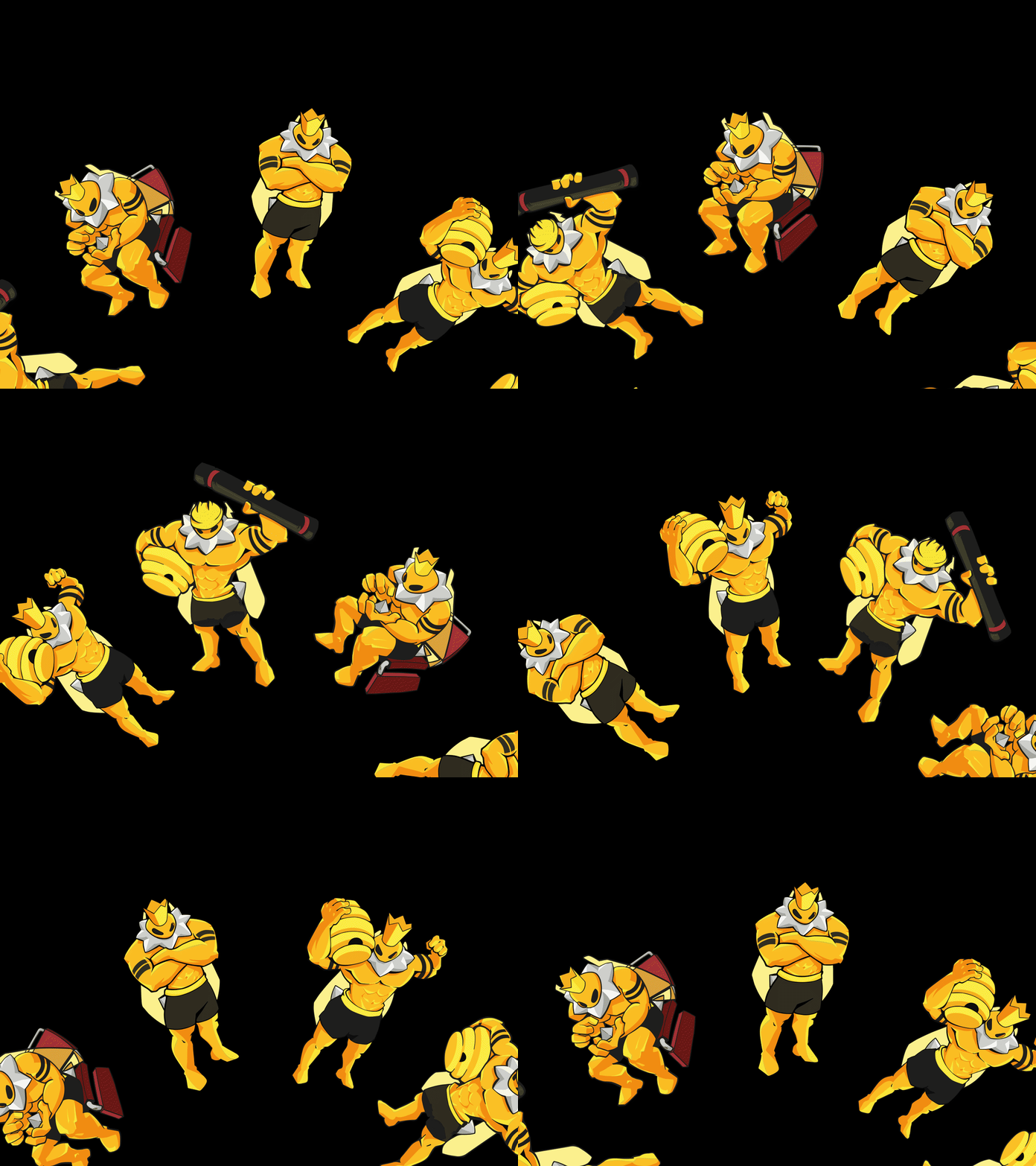
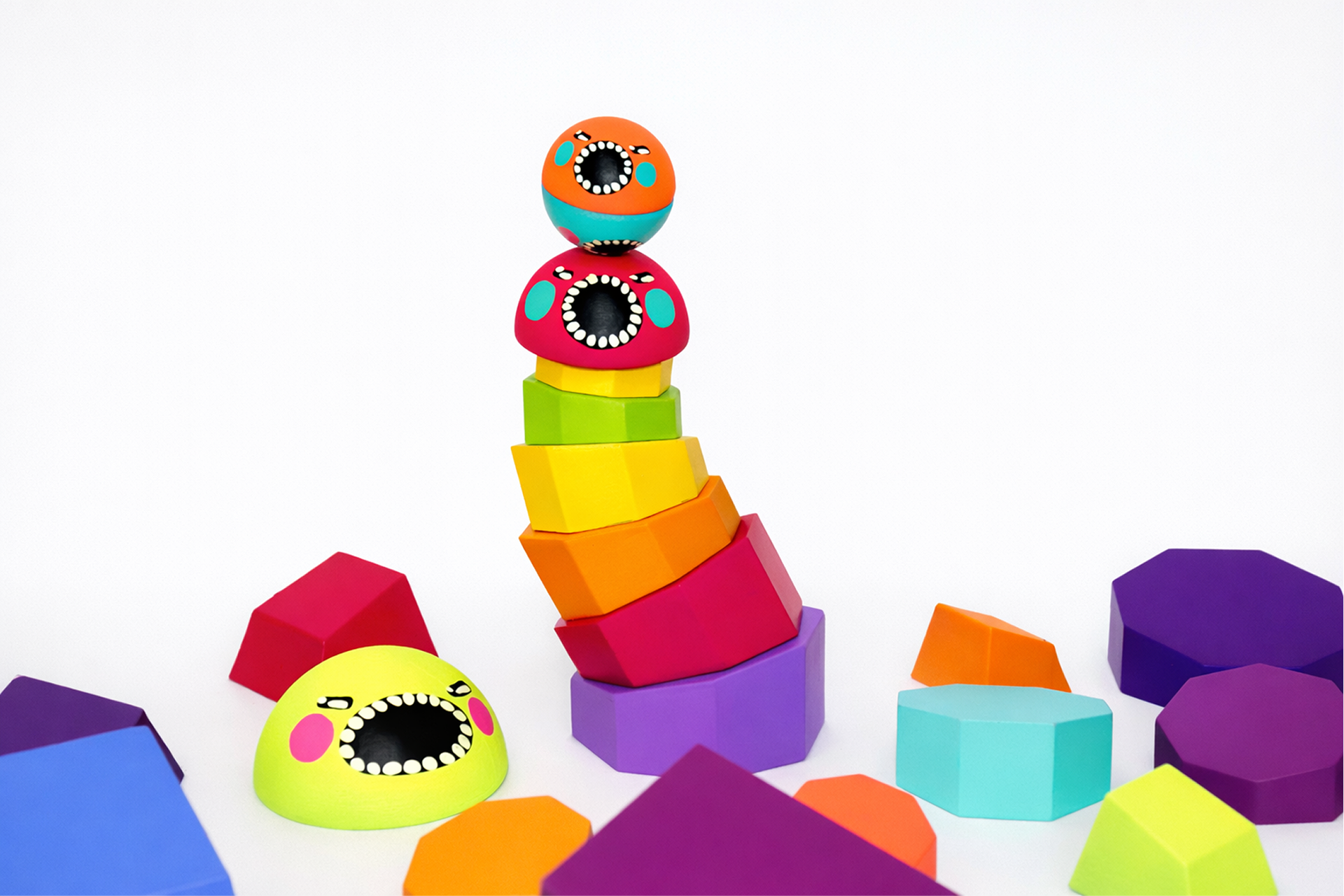
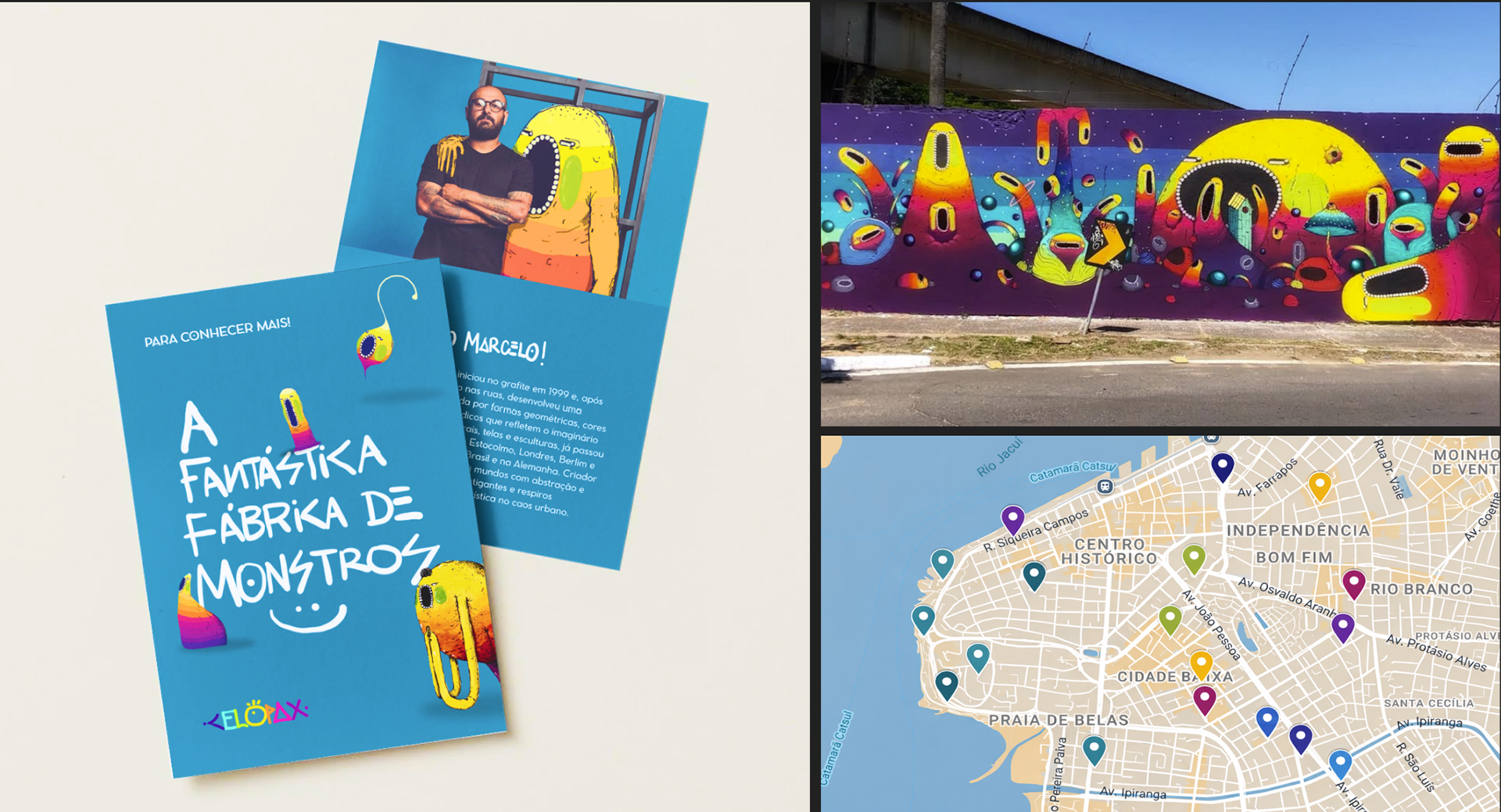
The toy allows children to recreate Celopax’s iconic street monsters found across the city, while also encouraging them to invent their own characters and forms through open ended play. It is accompanied by a small booklet introducing the artist and his creative journey, along with a map highlighting the locations of his murals across Porto Alegre and around the world.
Impact
By translating urban art into a hands on creative experience, the project connects children with local culture, fosters imagination and artistic expression, and naturally reduces screen dependency through highly engaging physical play.
Designers
Verônica Vanti
Luana Kindel
Rafaela Tonial
My role
Collaborative design process. Also individually responsible for 3D modeling, rendering and prototype photography.